


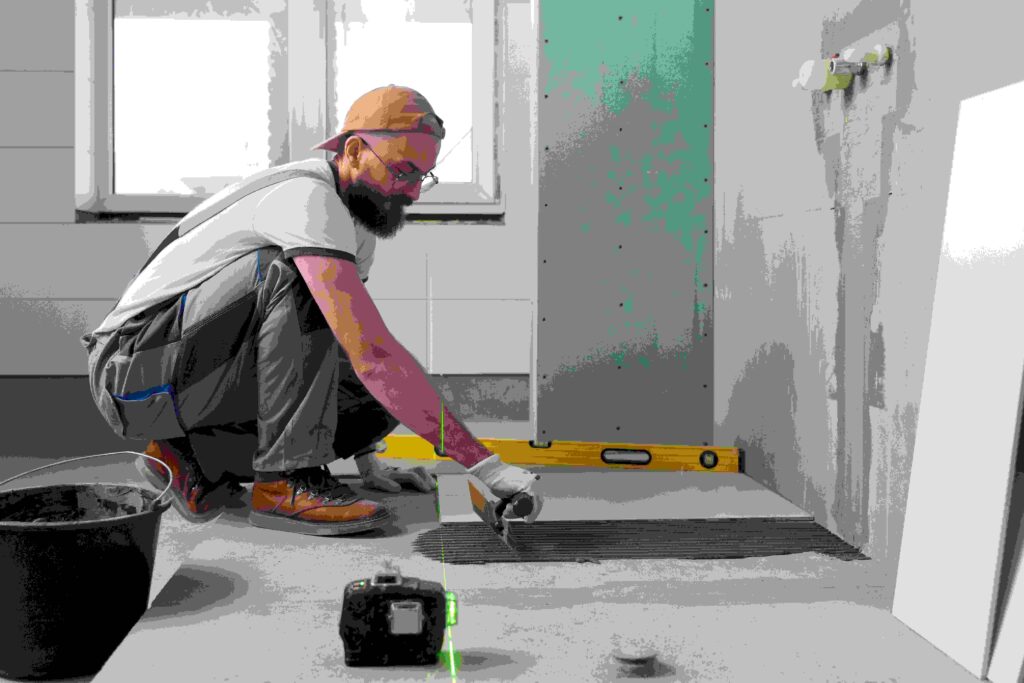
Tile Adhesive: Benefits, Types & How to Choose the Right One for Your Project
Tiling is an essential part of any construction or renovation project—whether in homes, commercial spaces, or large infrastructure developments. At the heart of a strong and long-lasting tile installation lies one key component: tile adhesive.
In this guide, we’ll explore everything you need to know about tile adhesive—what it is, why it matters, the different types available, and how to select the right one for your needs.
What is Tile Adhesive?
Tile adhesive is a specially formulated mixture used to bond tiles to surfaces like walls, floors, or ceilings. Unlike traditional cement-sand mortar, tile adhesive is ready-to-mix and provides superior bonding, easier application, and longer durability.
Tile adhesives are typically made from cement, polymers, and chemical additives that improve flexibility, adhesion, and water resistance. They are suitable for a variety of tiles such as ceramic, porcelain, vitrified, glass mosaic, and even natural stone.
Why Use Tile Adhesive Instead of Cement Mortar?
1. Better Bond Strength
Tile adhesive provides excellent bonding with surfaces and tiles, minimizing the chances of tile detachment or hollow spots.
2. Time-Saving
Unlike traditional mortar, which requires curing and preparation, tile adhesive is pre-mixed and easy to apply, saving valuable installation time.
3. Thin-Bed Application
Tile adhesive allows for thin-bed installation, using less material and maintaining tile levelness across large surfaces.
4. Suitable for Large Tiles
Modern construction often uses large-format tiles, which require better bonding materials—exactly what tile adhesives are made for.
5. Water Resistance
Special formulations are available for wet areas such as bathrooms, kitchens, and swimming pools, offering long-term moisture protection.
Types of Tile Adhesives
Understanding the types of tile adhesives available helps in choosing the right product for each situation:
1. Cement-Based Tile Adhesive
Most commonly used for indoor floors and walls. Ideal for ceramic and vitrified tiles.
2. Ready-Mix Tile Adhesive (Paste Form)
Used mainly for wall tiles in dry indoor areas. No mixing is required, making it suitable for quick renovations.
3. Epoxy-Based Tile Adhesive
Highly durable and resistant to chemicals, stains, and moisture. Used in industrial kitchens, hospitals, or heavy-duty areas.
How to Choose the Right Tile Adhesive
Choosing the right tile adhesive depends on several factors:
Type of Tile
Ceramic and vitrified tiles require standard cement-based adhesives, while natural stone and glass tiles may need special formulations.
Surface Type
Concrete, plaster, drywall, or wood each has different requirements. Always match the adhesive with the substrate.
Location (Indoor/Outdoor)
Outdoor tiles need weather-resistant adhesives, while wet areas like bathrooms need waterproof or flexible adhesives.
Tile Size
Larger tiles need higher-strength adhesive, sometimes with additives for improved flexibility.
Application Area
Floor tiles carry more weight and foot traffic than wall tiles, so the adhesive must have higher tensile and shear strength.
Application Process of Tile Adhesive
Here is a quick look at the tile adhesive application process:
- Surface Preparation
Ensure the surface is clean, level, and free from dust or grease. - Mixing the Adhesive
Follow the manufacturer’s water ratio and mix until a smooth, lump-free paste is formed. - Applying the Adhesive
Use a notched trowel to spread the adhesive evenly on the surface or back of the tile. - Placing the Tiles
Press tiles firmly into place, ensuring proper alignment and even spacing. - Curing
Allow the adhesive to cure as per product guidelines before grouting.
Advantages of Using Tile Adhesive in Modern Construction
- Reduces installation time and labor cost
- Maintains tile alignment and uniformity
- No pre-soaking of tiles required
- Better aesthetic finish and fewer cracks
- Increased tile lifespan
Where to Buy Quality Tile Adhesive?
If you are looking for high-performance, reliable tile adhesive solutions, Redwop offers a full range of products for residential, commercial, and industrial use. Whether you are tiling a small bathroom or a large commercial floor, Redwop’s adhesives ensure long-lasting results.
Explore the tile adhesive range:
https://www.redwop.net/tile-adhesive-2/
Conclusion
Tile adhesive is no longer an optional upgrade—it’s a standard in modern tiling practices. It ensures that your tiles stay in place, look great, and perform well for years to come.
Whether you’re a homeowner, contractor, or builder, choosing the right tile adhesive is a critical part of getting the job done right. From improved bonding to time-saving application, the benefits speak for themselves.