


Good nutrition plays a crucial role in enhancing fertility, and for couples trying to conceive, understanding the connection between diet and reproductive health is vital. Whether you are planning for natural conception or undergoing fertility treatments like IVF, the right foods can significantly improve your chances of success.
This article provides a comprehensive guide to fertility-boosting foods, helping you make informed dietary choices. By following the advice outlined here, you can take proactive steps toward achieving optimal reproductive health.
Dive into this article to uncover the science-backed relationship between nutrition and fertility, and how you can naturally boost your chances of conception.
The Role of Nutrition in Fertility
Nutrition is a cornerstone of overall health, including reproductive well-being. Certain nutrients are essential for hormone regulation, egg and sperm quality, and overall reproductive function. Studies show that a balanced diet rich in vitamins, minerals, antioxidants, and healthy fats can significantly increase your chances of conception.
Factors influencing fertility include:
- Hormonal imbalances
- Oxidative stress
- Age-related decline in egg and sperm quality
- Lifestyle factors like smoking, alcohol consumption, and lack of exercise
Including fertility-friendly foods in your daily diet can help address these challenges and optimize your reproductive health.
Read Also:- What Are Assisted Reproductive Technologies (ART)?
Top Fertility-Boosting Foods
1. Leafy Green Vegetables
Leafy greens like spinach, kale, and Swiss chard are rich in folate, a B-vitamin that supports healthy ovulation and prevents birth defects. They also provide iron, essential for improving egg health and supporting a healthy pregnancy.
2. Nuts and Seeds
Foods like almonds, walnuts, sunflower seeds, and chia seeds are high in omega-3 fatty acids, zinc, and vitamin E. These nutrients enhance sperm quality and reduce inflammation, creating a healthy environment for conception.
3. Whole Grains
Switching to whole grains like brown rice, quinoa, and whole wheat bread helps stabilize blood sugar levels and prevent hormonal imbalances, both of which are critical for fertility.
4. Fatty Fish
Salmon, mackerel, and sardines are excellent sources of omega-3 fatty acids. These healthy fats improve blood flow to reproductive organs and support hormone production.
5. Fruits Rich in Antioxidants
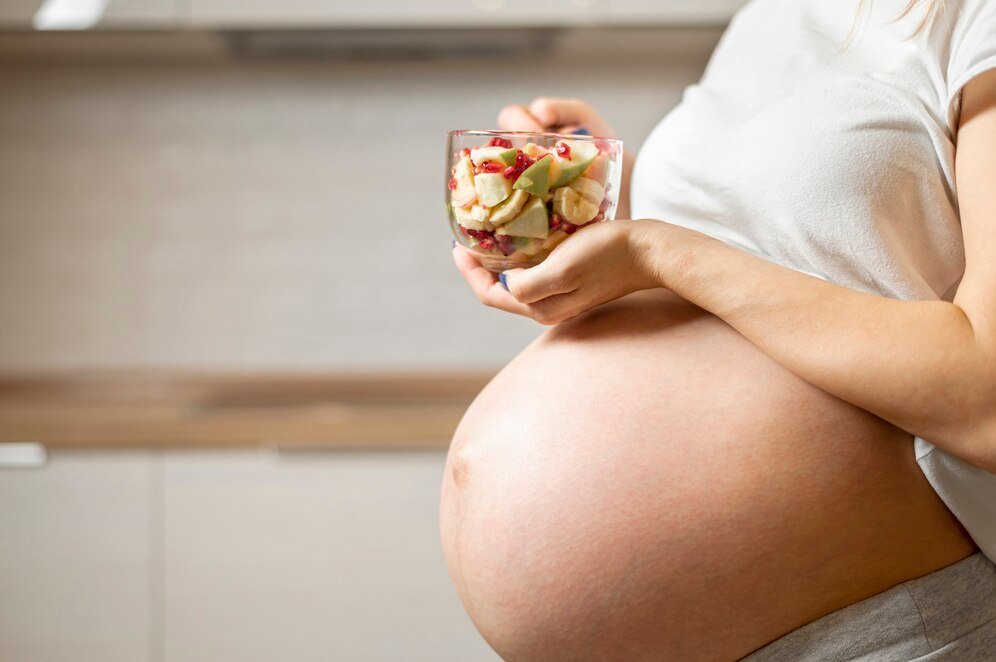
Berries, oranges, and pomegranates are packed with antioxidants like vitamin C and flavonoids. These nutrients combat oxidative stress, which can damage eggs and sperm.
6. Full-Fat Dairy Products
Full-fat milk, yogurt, and cheese provide essential fats that improve ovulation and balance reproductive hormones.
7. Lean Proteins
Chicken, turkey, and plant-based proteins like beans and lentils provide high-quality protein without the negative effects of saturated fat. Protein supports cell repair and the production of healthy eggs and sperm.
8. Healthy Fats
Avocados, olive oil, and coconut oil are excellent sources of monounsaturated fats. These healthy fats enhance egg quality and regulate reproductive hormones.
9. Oysters and Shellfish
Oysters are a rich source of zinc, which plays a vital role in sperm production and ovulation. Shellfish also provide selenium, which protects eggs and sperm from oxidative damage.
10. Water
Staying hydrated improves cervical mucus, making it easier for sperm to reach the egg. Aim for at least 8-10 glasses of water daily.
Foods to Avoid for Better Fertility
While including fertility-boosting foods is important, it is equally crucial to avoid foods that may hinder your chances of conception.
- Trans Fats: Found in processed foods and baked goods, trans fats can negatively impact ovulation.
- Excess Sugar: High sugar intake can lead to insulin resistance, which may interfere with ovulation.
- Alcohol and Caffeine: Excessive consumption of alcohol and caffeine has been linked to reduced fertility in both men and women.
- Highly Processed Foods: These are often low in nutrients and high in additives that can disrupt hormonal balance.
Tips for Implementing a Fertility Diet
- Plan your meals to include a variety of nutrient-dense foods.
- Avoid skipping meals to maintain stable blood sugar levels.
- Use healthy cooking methods like steaming, grilling, or baking.
- Incorporate snacks like nuts, seeds, and fruits into your daily routine.
- Stay consistent with your dietary habits for at least three months, as it takes time for dietary changes to impact egg and sperm quality.
FAQs on Nutrition and Fertility
Q1: How long does it take for a fertility diet to work?
It typically takes about three months for dietary changes to positively impact egg and sperm quality.
Q2: Can men benefit from a fertility diet?
Absolutely! A nutrient-rich diet improves sperm quality and overall reproductive health in men.
Q3: Are supplements necessary for fertility?
While supplements can help, it’s best to focus on obtaining nutrients from whole foods. Consult your doctor for personalized advice.
Q4: Can a vegetarian diet support fertility?
Yes, a well-planned vegetarian diet with sufficient protein, iron, and omega-3s can support fertility.
Q5: How does weight affect fertility?
Maintaining a healthy weight is crucial. Both underweight and overweight individuals may experience hormonal imbalances that affect fertility.
Helpful Links for Additional Information
- Top 5 IVF Centres in Lucknow
- Best IVF Centre in Lucknow – Urvara Fertility
- Most Trusted IVF Centre in Lucknow
- The Most Famous IVF Centre in Lucknow
- Urvara Fertility Centre Location
In conclusion, nutrition plays a critical role in enhancing fertility. By incorporating the right foods into your diet and avoiding harmful ones, you can improve your chances of conception. Whether you’re trying naturally or seeking assistance from an IVF centre like Urvara Fertility Centre, adopting a fertility-friendly diet is a proactive step toward achieving your dreams of parenthood.