


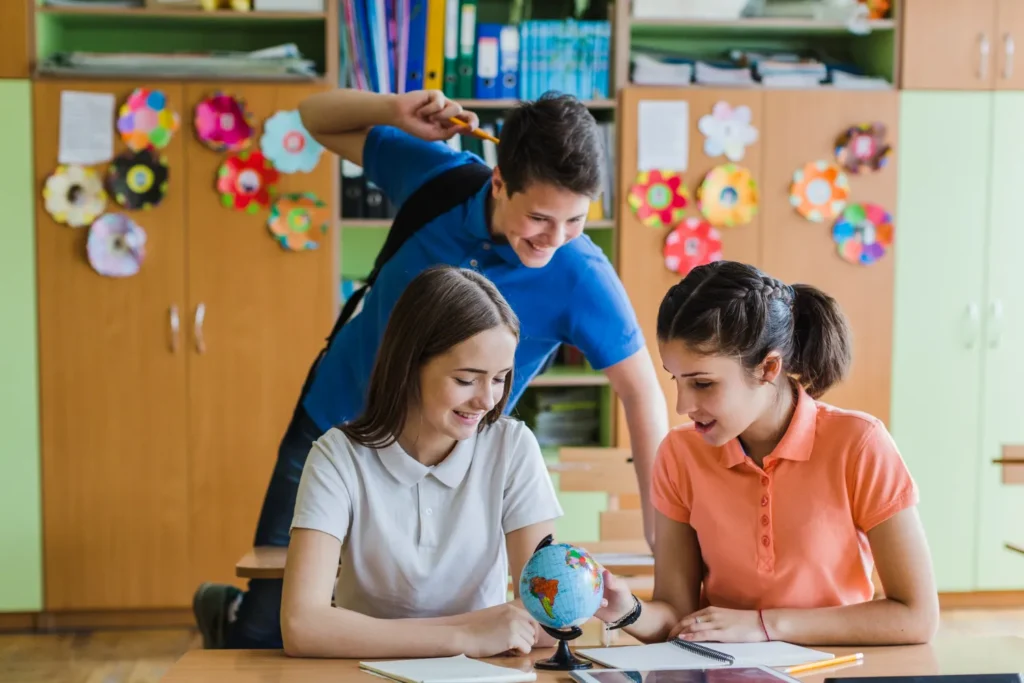
Education today is not just about academic excellence—it is also about creating inclusive environments where every learner has the opportunity to thrive. Many families choose International Schools in Manila because of their commitment to diversity, equity, and access. These schools implement initiatives that ensure students of all backgrounds feel welcomed, supported, and empowered. By prioritizing inclusivity and accessibility, international schools in Manila set a standard for modern education that prepares students to succeed in a globalized world.
The Value of Inclusivity in Education
Inclusivity ensures that learning environments welcome and value differences, providing all students with equal opportunities to succeed.
Building a Diverse Community
International schools thrive on diversity, often bringing together students from various cultures, languages, and family backgrounds. This environment fosters cultural exchange and encourages mutual respect. For students, learning in such a setting helps them develop open-mindedness and empathy—essential skills in an interconnected world.
Equal Opportunities for Learning
By adopting inclusive practices, International Schools in Manila ensure that academic and extracurricular opportunities are available to all students, regardless of socioeconomic status or learning ability. Initiatives such as scholarships, flexible programs, and individualized support allow every learner to achieve their fullest potential.
Cultivating Global Citizenship
When inclusivity is practiced daily, students learn the value of equity, fairness, and social responsibility. These lessons extend beyond academics, helping graduates become leaders who value justice and inclusivity in their professional and personal lives.
Access Initiatives That Open Doors
Access goes hand-in-hand with inclusivity. International schools in Manila implement various strategies to make quality education attainable.
Scholarship and Financial Aid Programs
Many schools offer need-based scholarships and financial aid packages to ensure deserving students can access world-class education. This initiative reduces barriers for families who may otherwise be unable to afford tuition, ensuring inclusivity is more than just an ideal—it is a practice.
Language Support Programs
Since international schools cater to a multicultural population, language can sometimes be a barrier. To address this, schools implement English as a Second Language (ESL) programs, as well as support for students learning additional languages. By doing so, International Schools in Manila ensure that non-native speakers are not left behind in the classroom.
Accessibility for Differently-Abled Students
Modern international schools recognize the importance of supporting differently-abled learners. This includes creating barrier-free facilities, providing assistive technologies, and offering individualized learning plans. These efforts allow all students to engage in education fully and meaningfully.
Teacher Training for Inclusive Classrooms
Inclusivity is successful only when educators are prepared to implement it.
Professional Development Programs
Teachers undergo training in cultural sensitivity, differentiated instruction, and inclusive pedagogy. This ensures that classroom practices meet the needs of diverse learners while respecting their unique identities.
Embracing Differentiated Learning
By adapting teaching methods to accommodate different learning styles and abilities, International Schools in Manila ensure every student has an equal chance to succeed. Differentiated learning strategies may include project-based tasks, individualized assessments, or hands-on activities tailored to varied student needs.
Fostering Emotional Support
Inclusivity is not limited to academics—it also involves creating a supportive emotional environment. Teachers are trained to identify emotional needs and provide counseling referrals when necessary, ensuring that students feel safe and valued.
Extracurricular Initiatives for Inclusivity
Inclusivity also extends beyond the classroom.
Inclusive Sports Programs
Sports teams in international schools encourage participation from students of all backgrounds. Schools often provide adaptive physical education programs for differently-abled learners, ensuring no student feels excluded from athletics.
Clubs That Celebrate Diversity
International Schools in Manila host cultural clubs, language groups, and diversity awareness campaigns. These initiatives create opportunities for students to explore and share their heritage, while also learning from others.
Community Service and Outreach
Schools integrate community service into their programs to teach students the importance of giving back. By engaging in outreach projects, students see inclusivity in action, developing empathy for underserved communities in Manila and beyond.
Technology and Inclusivity in Education
Technology plays a vital role in making education more accessible and inclusive.
Assistive Technology for Learning
International schools invest in assistive technologies such as screen readers, speech-to-text software, and digital learning platforms. These tools ensure that differently-abled students can participate actively in lessons.
Online and Hybrid Learning Options
For students who cannot always attend classes on campus, international schools provide online and hybrid models. This accessibility initiative ensures that education continues despite health, mobility, or geographical limitations.
Bridging the Digital Divide
Recognizing that not all students have equal access to technology, International Schools in Manila offer lending programs for devices and ensure internet access is available within campus facilities.
Parental and Community Engagement in Inclusivity
Inclusivity thrives when families and communities are involved in the process.
Parent Education Programs
Many international schools provide seminars and workshops to guide parents in supporting inclusive education at home. These sessions cover topics such as cultural sensitivity, digital safety, and inclusive parenting practices.
Community Partnerships
Schools partner with NGOs, local organizations, and advocacy groups to strengthen inclusivity initiatives. These collaborations enrich the learning experience while reinforcing social responsibility among students.
Open Communication Channels
By maintaining strong communication with parents, International Schools in Manila ensure that inclusivity efforts extend beyond the classroom. Regular parent-teacher meetings and community forums help maintain transparency and trust.
The Long-Term Impact of Inclusivity and Access
Investing in inclusivity today creates positive long-term outcomes for students and society.
Academic and Social Growth
Students in inclusive schools often achieve higher academic outcomes, alongside strong interpersonal skills. They learn collaboration, resilience, and adaptability—traits valued in higher education and future careers.
Lifelong Global Competence
Graduates of international schools that prioritize inclusivity leave with a broader worldview. They are prepared to engage respectfully and effectively with people of different backgrounds in diverse professional environments.
Stronger Social Equity
By opening their doors to a diverse student population, International Schools in Manila contribute to reducing educational inequality. This ripple effect benefits not only students but also the wider community.
Key Takeaway
Inclusivity and access are no longer optional—they are essential in building schools that prepare students for the future. By offering scholarships, language support, accessible facilities, and teacher training, International Schools in Manila ensure that every learner can thrive. These initiatives create an environment where diversity is celebrated, equity is promoted, and barriers to education are removed. For families seeking more than academics, international schools provide a holistic, inclusive experience that equips students to succeed in life and contribute positively to society.