


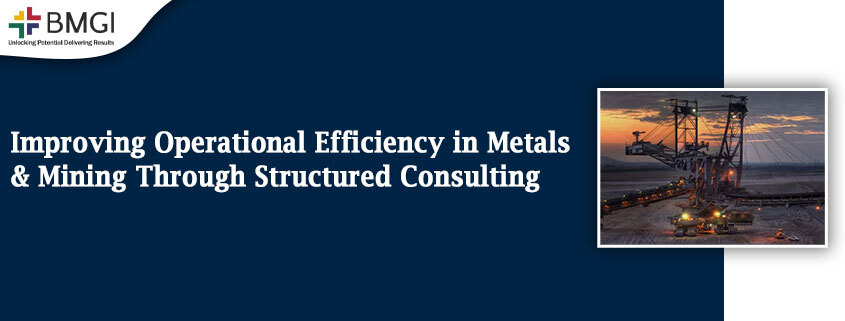
The metals and mining industry operates under constant pressure to improve output, control costs, and manage complex operations across extraction, processing, and logistics. Fluctuating demand, rising input costs, and operational inefficiencies often limit performance, making structured improvement essential for sustainable growth.
To address these challenges, organizations are increasingly focusing on process excellence, continuous improvement, and data-driven decision-making to strengthen operational performance.
Key Challenges in Metals and Mining Operations
Mining and metals operations are inherently complex, involving multiple stages and dependencies. Some of the most common challenges include:
- Unplanned equipment downtime impacting production targets
- Inefficient resource allocation across sites
- Variability in output quality and yield
- Bottlenecks in supply chain and material flow
- High energy consumption and operational costs
These challenges are further intensified by market volatility and increasing pressure to improve efficiency and sustainability.

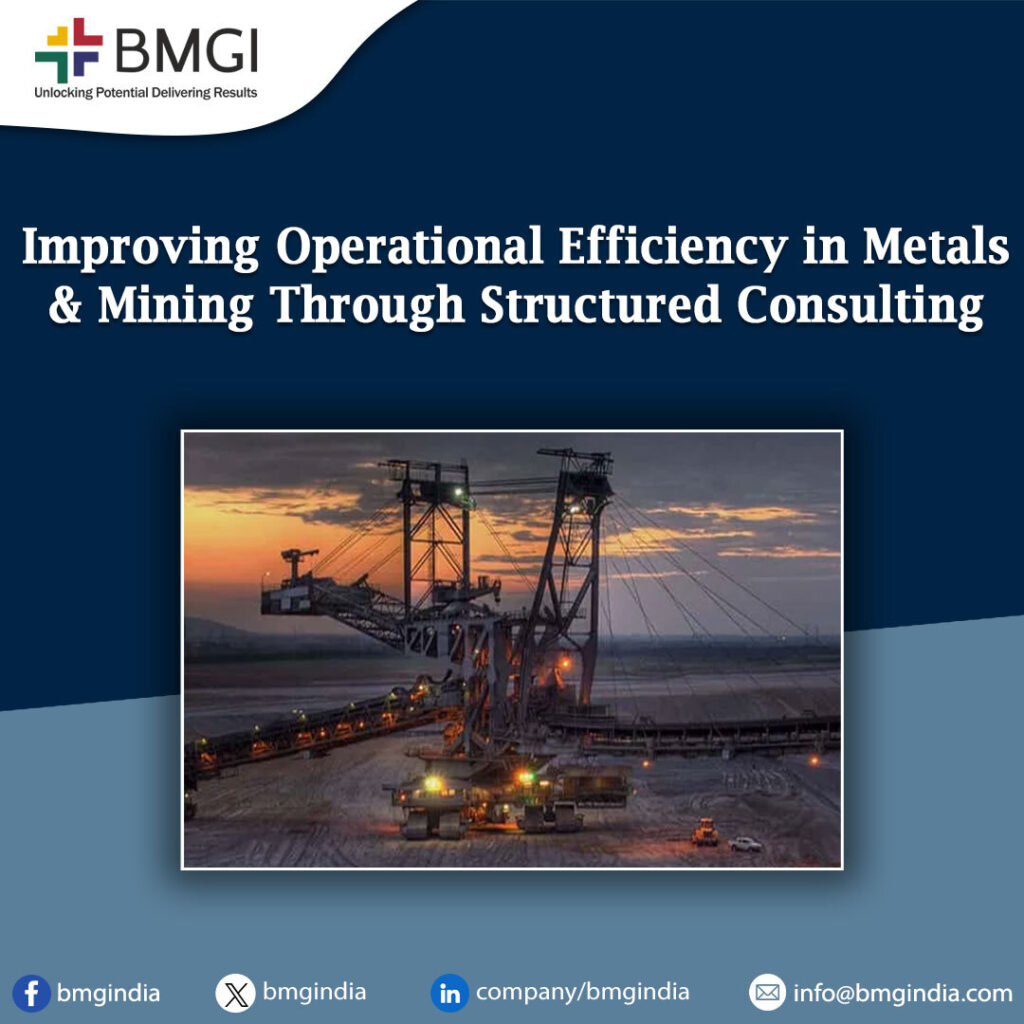
Why Operational Excellence Matters in Mining
Operational excellence is not limited to improving isolated processes. It requires aligning people, processes, and systems to achieve consistent performance.
In the mining sector, improving operational basics alone can increase production and efficiency by 15% to 30%, highlighting the impact of structured improvement initiatives.
A strong focus on operational excellence consulting helps organizations:
- Improve asset reliability and reduce downtime
- Optimize throughput across mining and processing stages
- Enhance decision-making using real-time data
- Reduce waste and improve cost efficiency
Applying Process Excellence Across the Value Chain
Metals and mining operations require end-to-end optimization rather than isolated improvements. Key areas of focus include:
1. Extraction and Production Optimization
Improving drilling, blasting, and material handling processes to increase yield and reduce variability.
2. Processing and Refining Efficiency
Enhancing plant performance by reducing cycle time, improving throughput, and minimizing defects.
3. Supply Chain and Logistics Improvement
Streamlining transportation, inventory, and distribution processes to remove bottlenecks and delays.
4. Maintenance and Asset Management
Implementing structured maintenance systems to improve equipment uptime and extend asset life.
A structured business process improvement (BPI) approach ensures that each stage of the value chain contributes to overall efficiency.
Role of Continuous Improvement in Mining
Sustainable performance in mining depends on building a culture of continuous improvement. Leading organizations focus on:
- Standardizing processes for consistent output
- Encouraging team-level problem solving
- Using data to identify and eliminate inefficiencies
- Embedding improvement practices into daily operations
A strong improvement culture enables mining companies to respond faster to operational challenges and maintain long-term stability.
Using Lean Six Sigma for Mining Efficiency
Lean Six Sigma plays a critical role in addressing both waste and variation in mining operations. Its application helps organizations:
- Reduce defects in processing and refining
- Improve cycle times across operations
- Optimize resource utilization
- Enhance quality and consistency in output
By combining Lean operations with Six Sigma methodologies, businesses can achieve measurable improvements in both cost and performance.
Data-Driven Decision Making in Metals and Mining
Modern mining operations generate large volumes of data across equipment, processes, and supply chains. However, the value lies in how this data is used.
A data-focused approach enables organizations to:
- Identify performance gaps across sites
- Predict equipment failures and reduce downtime
- Improve planning and scheduling accuracy
- Support faster and more informed decisions
This aligns with the growing shift toward digital integration and analytics-driven strategies in the sector.
Building High-Performance Mining Operations
To achieve consistent results, metals and mining companies must move beyond isolated improvements and focus on building high-performance systems. This involves:
- Aligning operational goals with business strategy
- Creating structured frameworks for execution
- Developing internal capabilities for problem solving
- Monitoring performance through defined metrics
A management consulting firm supports this transformation by bringing structured methodologies, industry experience, and a clear roadmap for execution.
Conclusion
Metals and mining companies operate in an environment where operational inefficiencies directly impact cost, output, and long-term sustainability. Addressing these challenges requires a structured approach that focuses on process excellence, continuous improvement, and data-driven decision-making.
With the right consulting support, organizations can improve efficiency, reduce variability, and build systems that deliver consistent performance across the entire value chain.